
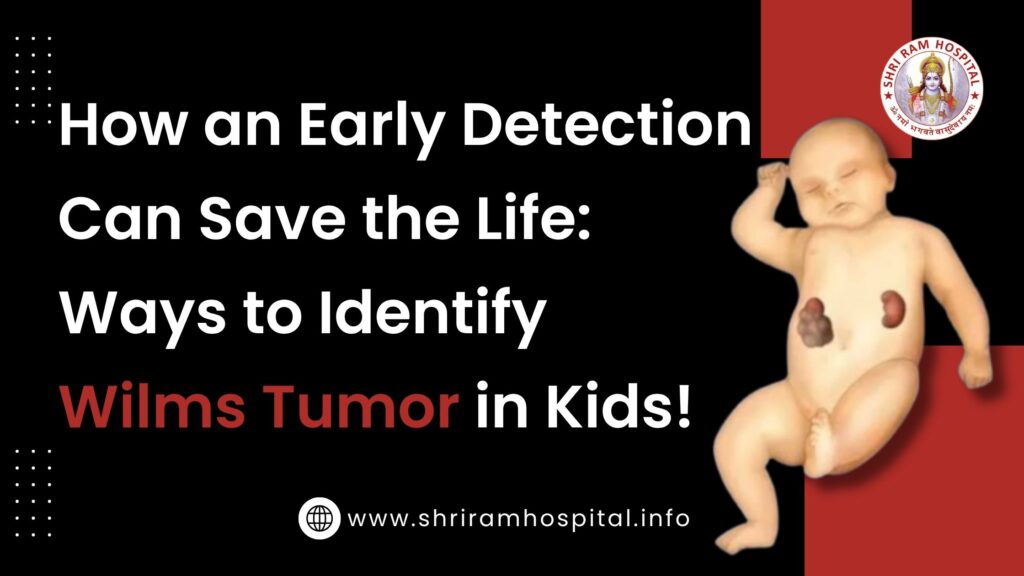
Wilms tumors in children are one example of a pediatric ailment that is both silent as well as dangerous. Children under 5 years old are the central victims of this uncommon but curable sort of kidney cancer. Parents with other caregivers require to be on the lookout for early warning signs due to its nature of frequently getting developed in a faster manner. A prompt diagnosis can be the clear difference between a speedy recovery & a drawn-out medical battle.
What Is Wilms Tumor?
Nephroblastoma, another name for Wilms tumor, is a kidney tumor that occurs in single or both kidneys in children. Despite being one of the most prevalent malignancies in children, it is very curable in case caught early. Immature kidney cells that don’t correctly form throughout embryonic growth are where the tumor begins. As these aberrant cells proliferate, they generate a mass that, in case left untreated, may impair kidney function & spread to other organs.
The Real Significance of Early Detection:
Wilms tumors typically grow silently in the early stages & don’t cause any visible discomfort. As an outcome, youngsters frequently seem healthy until the tumor grows to a significant size. It is possible that the cancer has already begin to expand outside of the kidney by the time symptoms become apparent. Well, the likelihood of a full recovery is greatly enhanced by early identification. As per the studies, treatment success rates for children with Wilms tumors can surpass 90% when the tumor is identified early.
Early Wilms Tumor Symptoms Parents Should Not Ignore:
You are the first line of defense when it comes to spotting early symptoms of sickness as a parent or caregiver. Even though Wilms tumor symptoms can mimic those of other, less serious illnesses, being aware of minute bodily changes can save many lives.
So, the following early Wilms tumor signals should cause an immediate medical assessment:
1. Swelling or lump in the abdomen
A hard lump or enlargement in the belly is the most typical early symptom. A bulge on one side of the child’s abdomen that does not hurt at first may be seen by parents. Occasionally, it is unintentionally found when dressing or bathing the youngster. As the tumor grows, this swelling may progressively worsen, so, here it is pretty critical to get medical support as soon as possible.
2. Pain or discomfort in the abdomen
The youngster may later complain of stomach pain or tenderness, even though Wilms tumors typically begin out painlessly. Pain that is inexplicable or persistent should not be disregarded, particularly in case it is accompanied by other symptoms.
3. Urine with Blood in It
Hematuria, or in other words a blood in urine, is also a worrying symptom. Urine may have a tea-colored, pink, or crimson hue. It is crucial to see a doctor very fast, even in case the discoloration appears & disappears.
4. Low Grade Fever
An internal infection or inflammation associated to a tumor may be the real cause of a low-grade fever that doesn’t go away. Even while fevers are typical in children, prolonged or repeated ones call for additional level of medical attention.
5. Diminished Weight & Appetite
Children with Wilms tumors may gradually lose their appetite & begin to lose weight on their own. It is complicated to pay notice if your child’s appetite abruptly declines & their level of exhaustion rises.
6. Enhanced Blood Pressure
Hypertension, or enhanced blood-pressure, may arise as an outcome of the tumor’s capacity to impact renal function. Instead of through obvious symptoms, this is frequently discovered while having periodic check-ups.
7. Overall exhaustion & irritability
Youngsters may seem more exhausted as compared to normal, favor relaxation over play, or exhibit non justified irritability. Sometimes these little behavioral shifts are the first prime signs of internal discomfort.
What Exactly Takes Place Following a Diagnosis?
A number of imaging tests, like an MRI, ultrasound or CT scan, will be performed in case a physician detects Wilms tumor in order to ascertain the tumor’s size as well as whether it has spread. In order to confirm the level of diagnosis, a biopsy may be performed. On the basis of the stage of the tumor, chemotherapy or radiation therapy are usually administered just after surgery in order to remove the damaged kidney.
Conclusion Vigilance along with the awareness are the ultimate keys to protecting children’s lives from Wilms tumors. Children have the extreme chances of full recovery when early detection enables families to take immediate and correct action. Parents can support doctors clearly identify the illness right before it worsens in terms of keeping an eye out for the mild symptoms like: blood in the urine, abdominal swelling, or any unusual lethargy. We can guarantee that pediatric tumors like Wilms tumor are not only treatable but also curable in terms of placing a high-priority on routine health checkups with prompt medical attention, thus ensuring that every little child has the happy, healthy future they deserve.